
Same dollar peg, opposite architectures: why Tether has separated the US market from its global infrastructure
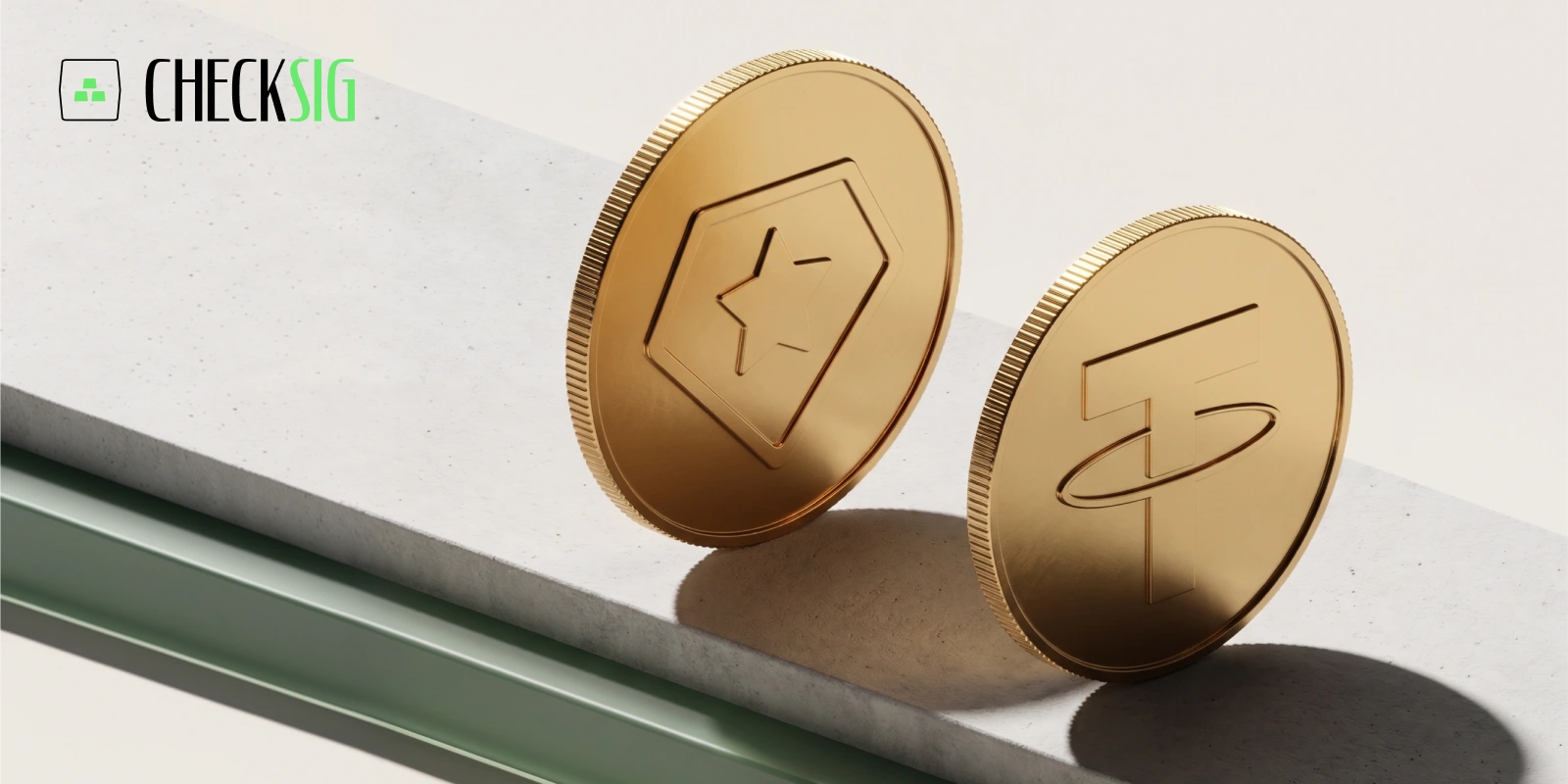
USDT and USAT are the two stablecoins Tether uses to serve markets that work by different rules. The first, USDT, circulates mainly in international markets, where it brings the dollar in digital form outside the US banking system. The second, USAT, launched in January 2026, is built to operate within the US federal perimeter. Their coexistence shows how regulation is reshaping the stablecoin market.
Tether, the issuer of USDT and USAT
Tether is the company behind USDT, a dollar-pegged stablecoin used worldwide. The token was born as an international product, outside the US banking system, and found its role in markets where direct access to the US currency is limited.
In many emerging economies, USDT effectively works as a digital substitute for the dollar, accessible via blockchain. Where inflation runs high, it is used as a hedge against local currency depreciation. For remittances and cross-border payments, it can cut time, costs and reliance on correspondent banking chains. Its reserves are largely invested in US Treasuries, which ties the token’s growth to demand for US government debt.
USDT and USAT: two architectures for two markets
USAT is Tether’s response to the GENIUS Act, signed into law on July 18, 2025, the first US federal law on payment stablecoins. It requires full backing with liquid, low-risk assets, redemption at par and periodic reserve disclosures. It also restricts issuance to banks and licensed entities and prohibits paying yield to holders simply for holding the token.
To bring USDT in line with these requirements, Tether would have had to overhaul its issuer, supervision, custody and reserves. These reserves also include bitcoin, precious metals and secured loans. Instead, the company chose to create a separate product: USAT is issued by Anchorage Digital Bank, while Cantor Fitzgerald acts as reserve custodian. Tether provides the brand, technology and distribution reach.
The difference between USDT and USAT, then, lies not in their reference value, which remains the dollar, but in the institutional infrastructure behind them.
USDT and USAT: legitimacy versus reach
A comparison with Europe makes the choice easier to understand. Since June 30, 2024, when MiCA rules on e-money tokens took effect, issuers have had to deposit a substantial share of the funds received with credit institutions. The share is higher for tokens classified as significant.
Tether did not apply for authorization, and USDT was gradually delisted from authorized platforms across the EU. According to the Digital Gold Institute’s analysis, compliance would have eroded the profitability of a business model that relies largely on reserve yield.
In the United States, Tether took the opposite route and created a dedicated token. The same analysis links this to the weight of the US market: being shut out would have limited the group’s access to the world’s leading financial system. As of mid-September 2026, USAT’s market cap stood at around $184 million (source: RWA.xyz), still small compared with USDT. According to the Digital Gold Institute, another factor is that USAT is entering a market where Circle’s USDC and other stablecoins backed by established players are already entrenched.
The coexistence of USDT and USAT reveals two distinct functions of the same digital dollar. USAT gives Tether a direct foothold in the US market, where much of the industry’s rulebook is written. USDT remains the instrument through which the US currency reaches people without access to an American bank. The role of stablecoins in the global monetary system will be decided by this distinction more than by current volumes.
Informational and educational content. It does not constitute financial, legal or tax advice, nor a personalised recommendation. Crypto-assets are highly risky and volatile and may result in the total or partial loss of capital. Assess their features, costs and risks before making any decision.
The comparison is based on the criteria, data and sources set out in the material, updated as of the date of publication. Results may change over time.